/prod01/channel_26/media/fbd2018/img/FBD_Logo.png)
FARM PROTECTION STORIES
‘Unsafe working practices are never acceptable.’
A call to stop taking risks on the farm
While the number of fatal accidents in Agriculture has declined over the last 4 years, it is still the sector with the highest number of workplace fatalities, accounting for over a third of all workplace fatalities in 2024. This heartbreaking reality is compounded by thousands of non-fatal accidents on farms.
Data from the Teagasc National Farm Survey (NFS) has identified that that there were 4,523 accidents on Irish farms in 2020 and close to half (46%) of these workplace injuries required hospitalisation. The physical, emotional, and financial toll of these accidents can be life changing—not just for the individuals involved, but for their families and communities as well. It is essential that we think safety first, stop taking risks and manage safety on the farm.
It’s a fact that the majority of workers understand the most significant hazards on farms and the associated risks, but they often take chances when rushing, under stress or if there is a financial cost. With this in mind a change in unsafe working culture and behaviour is key to achieving a sustained reduction in the number of serious and fatal accidents.
“Unsafe working practices are never acceptable”, we need to challenge ourselves to stop taking risks and ensure safe systems of work are always followed. All stakeholders need to work together to help break the cycle of risk-taking behaviour. I believe that if we can create a positive safety culture on farms, behavioural change and safer farming practices will follow. It is crucial that farmers and contractors manage health and safety and take time to safely plan work activities. This process should start with a risk assessment, which involves the identification of hazards, risks and the appropriate control measures. Safe systems of work should be put in place for all work being carried out.
Make Tractor, Vehicle and Machinery Safety a Priority
Tractors and machinery are essential for efficient farming, but they are also very dangerous if not maintained and operated in a safe manner. Health and Safety Authority data identified that there were 171 fatal accidents on Irish farms during the period 2015 – 2024 of which 46% were vehicle (40%) and machinery (6%) related.
The majority of tractor and vehicle accidents are caused by inexperienced operators, poor mechanical condition, excessive speed, lack of concentration and environmental factors such as steep gradients. Most machinery accidents are the result of human error - the operator took a shortcut or a risk, ignored a warning, was not paying close attention, failed to follow safety rules or did not maintain the machine and its guarding in a safe condition.
Key Steps to Safe Tractor and Machinery Operation
- Always maintain tractors and machinery in good condition. Special attention must be given to ensure that all brakes are serviced on tractors as there have been a significant number of fatalities due to brakes not working effectively.
- Ensure that all controls are maintained in good working order and clearly marked.
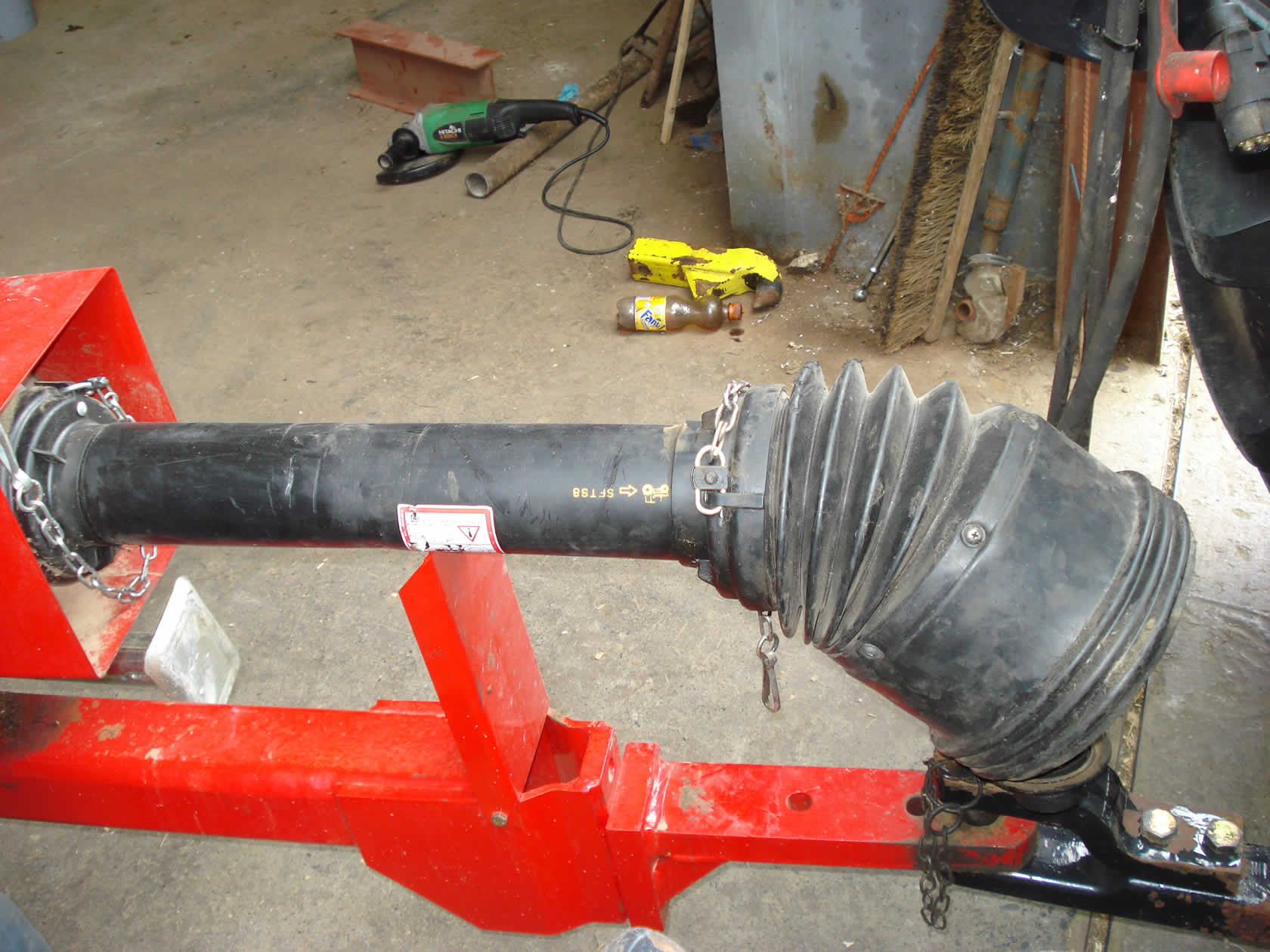
- Make sure all moving parts such as the PTO shaft are guarded properly.
- Ensure that a cab or safety frame is fitted.
- Only allow competent experienced people to operate tractors and machinery.
- Avoid rushing and always be vigilant.
Safety of Older Farmers & Children
Older Farmers
91 of the 171 people who died in work-related incidents in the Agricultural sector from 2015-2024, were aged 65 years or older. The physical capabilities of older farmers vary by individual, while some maintain good strength, flexibility, eyesight, and hearing well beyond age 65, others do not. Older farmers can continue to be safe and productive members of agricultural operations. The key is the ability of them and their families to recognise age-related risk factors, as well as the willingness to modify expectations and physical activity accordingly.
Children
Agriculture is the only sector where children are fatality injured in workplace accidents. It is important that children are kept away from working vehicles and machinery, dangerous livestock, dangerous activities/areas (including slurry facilities, chemicals stores, stacks of bales, etc.) and children must be adequately supervised when they are on the farm. Children should play in a safe, supervised play area, away from all the hazards of a working farm.
Manage Health and Safety
Creating a safer farming environment starts with addressing factors that influence risky behaviours, such as stress, distractions, and time constraints. The following steps can help farmers and contractors manage safety in their work environment:
- Conduct Risk Assessments: Identify hazards, evaluate risks, and implement control measures before starting any task.
- Safe Systems of Work: Ensure safe systems of work are always followed and that you have the appropriate facilities and equipment to carry your work out safely.
- Time Management: Avoid rushing by planning work activities carefully.
- Maintenance: Regularly service vehicles, machinery, and facilities to ensure they are in safe working condition.
- Training & Education: Stay informed about best practices and share this knowledge with others.
Challenge yourself and make safe a priority.
Commit yourself to carrying out a risk assessment on your farm this week and implement the appropriate safety controls.
To talk to us about farm insurance call our team on 0818 181818 or visit your local branch.
Stop Taking Risks! Always Think Safety First.
/prod01/channel_26/media/fbd2018/img/tractor-on-farm.jpg)
/prod01/channel_26/media/fbd2018/img/Height,for,Hire,Farm,Roofs.jpg)
/prod01/channel_26/media/fbd2018/img/FBD-Child-Farm-Safety.jpg)
/prod01/channel_26/media/fbd2018/img/Silage,,(2).jpg)
/prod01/channel_26/media/fbd2018/img/field,on,a,sunny,day.jpg)
/prod01/channel_26/media/fbd2018/img/UCD,FBD,1.jpg)
/prod01/channel_26/media/fbd2018/img/underinsurance,blog,image.jpg)
/prod01/channel_26/media/fbd2018/img/FBD-cows.jpg)
/prod01/channel_26/media/fbd2018/img/Embrace,FARM.png)
/prod01/channel_26/media/fbd2018/img/Moorepark,Open,Day_Safety,Launch.jpg)
/prod01/channel_26/media/fbd2018/img/FBD-Tractor-Sunset.jpg)
/prod01/channel_26/media/fbd2018/img/Farm-Quad-Sheep.jpg)
/prod01/channel_26/media/fbd2017/dist/media/winter-snow-roads.jpg)
/prod01/channel_26/media/fbd2018/img/farm-equipment-and-machinery.jpg)
/prod01/channel_26/media/fbd2018/img/FBD-fire-alert.png)
/prod01/channel_26/media/fbd2018/img/Electrical,Safety,on,Farm.jpg)
/prod01/channel_26/media/fbd2018/img/quad-safety.jpg)
/prod01/channel_26/media/fbd2018/img/last-minute-slurry-safety.jpg)
/prod01/channel_26/media/fbd2018/img/getting-hitched-the-right-way-2.jpg)
/prod01/channel_26/media/fbd2018/img/safety-around-the-milking-parlour.jpg)
/prod01/channel_26/media/fbd2018/img/silage-safety.jpg)
/prod01/channel_26/media/fbd2018/img/safety-working-with-sprays.jpg)
/prod01/channel_26/media/fbd2018/img/national-farm-safety-week.jpg)
/prod01/channel_26/media/fbd2018/img/gear-up-for-a-safe-winter.jpg)
/prod01/channel_26/media/fbd2018/img/farm-safety-items-covered-in-TAMS-II.jpg)
/prod01/channel_26/media/fbd2018/img/safety-at-calving.jpg)
/prod01/channel_26/media/fbd2018/img/safety-at-lambing.jpg)
/prod01/channel_26/media/fbd2018/img/safety-at-breeding.jpg)
/prod01/channel_26/media/fbd2018/img/livestock-safety-header.jpg)