/prod01/channel_26/media/fbd2018/img/FBD_Logo.png)
FARM PROTECTION STORIES
Silage Season Safety: A Practical Guide for Irish Farmers
By Ciaran Roche, FBD Risk Manager
As silage season approaches, farms across the country will become hives of activity. While it is a crucial part of the agricultural calendar, silage making is also a hazardous task. Every year, serious injuries occur during this busy period — many of them are preventable.
Advance planning and adherence to safety procedures are essential. By prioritising safety, farmers and contractors can ensure that silage operations are completed efficiently and most importantly, without incident.
Prioritising Safety from the Start
Successful and safe silage making begins with preparation. All those involved — whether contractors, farm staff, or family members — should be briefed on safety protocols and understand the risks involved.
It is critically important to ensure children are not present in the farmyard during silage operations. Children must be kept away from working areas and should be properly supervised at all times. Tragedies have occurred where children have wandered into silage areas undetected.
Tractor and Machinery Safety
Between 2014 and 2023, over half (51%) of fatal farm accidents involved farm vehicles and machinery, with 44% attributed to vehicles alone. These statistics highlight the significant risks posed by tractors, trailers, mowers, balers, and harvesters.
To mitigate these risks, remember:
- Ensure all tractors and machinery are regularly maintained and in sound mechanical condition.
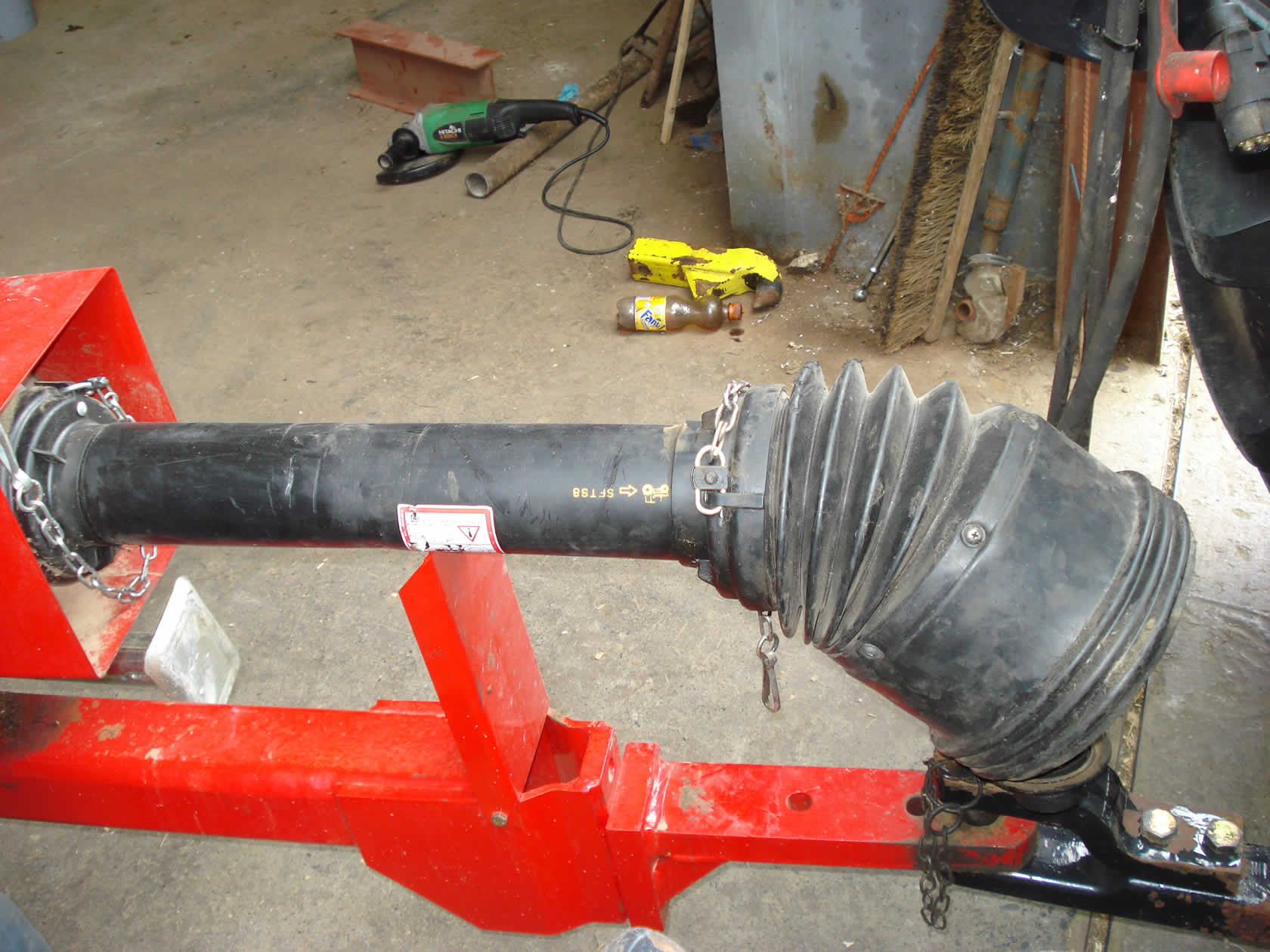
- Guard all moving parts, especially PTO shafts and drive chains.
- Only allow competent and experienced individuals to operate tractors and machinery.
- Inspect brakes, steering, lights, and mirrors on both tractors and trailed equipment before use.
- Park tractors and machinery on level ground and use handbrakes.
It is particularly important to exercise caution when dealing with blockages in balers. Always disengage the PTO, shut off the engine, and wait until all moving parts have fully stopped before attempting to clear blockages. Where feasible, consider installing reverse drive mechanisms to reduce the need for manual intervention.
Road Safety Considerations
Silage-related traffic brings large and wide machinery onto narrow rural roads, increasing the risk of collisions and accidents.
Operators should ensure that all vehicles used on public roads are roadworthy. This includes functioning lights, clean mirrors, visible indicators, and effective wipers. Tractors and machinery should be driven at appropriate speeds, and access points to yards and fields must be well signposted and allow for safe entry and exit.
Care must also be taken not to drag mud or grass onto the road, as this can create hazardous driving conditions for other road users. Additionally, vigilance is essential on narrow country roads where recreational users such as walkers and cyclists may be present. Pedestrians and cyclists are advised to wear high-visibility clothing, travel in single file, and remain alert to traffic.
Never use a phone when operating tractors and machinery.
Safe Silage Pit Construction
Overfilling silage pits or clamps is a dangerous practice. It can compromise the structural integrity of retaining walls and increase the risk of collapse, particularly when handling wet grass.
To ensure stability and safety:
- The finished silage pit should slope no more than 45° towards the retaining walls.
- The width across the top of the pit should be at least three times the width of the loader, including dual wheels.
- Loader operators must maintain full control and operate only on stable, level surfaces to prevent overturning.
- Where silage pits/clamps are full to a safe level and where more grass is required to be harvested, the option of baled silage should be considered.
Safe Bale Handling and Stacking
In recent years, a number of casualties have occurred as a result of falling bales. When handling or stacking bales:
- Always place them on flat, stable ground.
- Avoid stacking bales too high.
- Ensure that stacks are secure and not prone to toppling.
Key Safety Measures at a Glance
- Conduct daily checks on tractors and machinery.
- Permit only competent and trained operators to handle equipment.
- Take time to do the job safely — do not rush.
- Ensure machinery is safety guarded.
- Always disengage PTOs, shut down engines before and wait until all moving parts have fully stopped before attempting to clear blockages.
- Wear suitable clothing that won’t get caught in machinery.
- Keep children away from work areas at all times.
Farming is both a way of life and a demanding profession. During silage season, the pressure to work quickly can be intense, but safety must never be compromised. Taking time to plan, prepare, and work carefully can prevent irreversible accidents and save lives.
Let this silage season be one where safety comes first!
Stop Taking Risks! Always Think Safety First.
/prod01/channel_26/media/fbd2018/img/tractor-on-farm.jpg)
/prod01/channel_26/media/fbd2018/img/Height,for,Hire,Farm,Roofs.jpg)
/prod01/channel_26/media/fbd2018/img/FBD-Child-Farm-Safety.jpg)
/prod01/channel_26/media/fbd2018/img/Silage,,(2).jpg)
/prod01/channel_26/media/fbd2018/img/field,on,a,sunny,day.jpg)
/prod01/channel_26/media/fbd2018/img/UCD,FBD,1.jpg)
/prod01/channel_26/media/fbd2018/img/underinsurance,blog,image.jpg)
/prod01/channel_26/media/fbd2018/img/FBD-cows.jpg)
/prod01/channel_26/media/fbd2018/img/Embrace,FARM.png)
/prod01/channel_26/media/fbd2018/img/Moorepark,Open,Day_Safety,Launch.jpg)
/prod01/channel_26/media/fbd2018/img/FBD-Tractor-Sunset.jpg)
/prod01/channel_26/media/fbd2018/img/Farm-Quad-Sheep.jpg)
/prod01/channel_26/media/fbd2017/dist/media/winter-snow-roads.jpg)
/prod01/channel_26/media/fbd2018/img/farm-equipment-and-machinery.jpg)
/prod01/channel_26/media/fbd2018/img/FBD-fire-alert.png)
/prod01/channel_26/media/fbd2018/img/Electrical,Safety,on,Farm.jpg)
/prod01/channel_26/media/fbd2018/img/quad-safety.jpg)
/prod01/channel_26/media/fbd2018/img/last-minute-slurry-safety.jpg)
/prod01/channel_26/media/fbd2018/img/getting-hitched-the-right-way-2.jpg)
/prod01/channel_26/media/fbd2018/img/safety-around-the-milking-parlour.jpg)
/prod01/channel_26/media/fbd2018/img/silage-safety.jpg)
/prod01/channel_26/media/fbd2018/img/safety-working-with-sprays.jpg)
/prod01/channel_26/media/fbd2018/img/national-farm-safety-week.jpg)
/prod01/channel_26/media/fbd2018/img/gear-up-for-a-safe-winter.jpg)
/prod01/channel_26/media/fbd2018/img/farm-safety-items-covered-in-TAMS-II.jpg)
/prod01/channel_26/media/fbd2018/img/safety-at-calving.jpg)
/prod01/channel_26/media/fbd2018/img/safety-at-lambing.jpg)
/prod01/channel_26/media/fbd2018/img/safety-at-breeding.jpg)
/prod01/channel_26/media/fbd2018/img/livestock-safety-header.jpg)